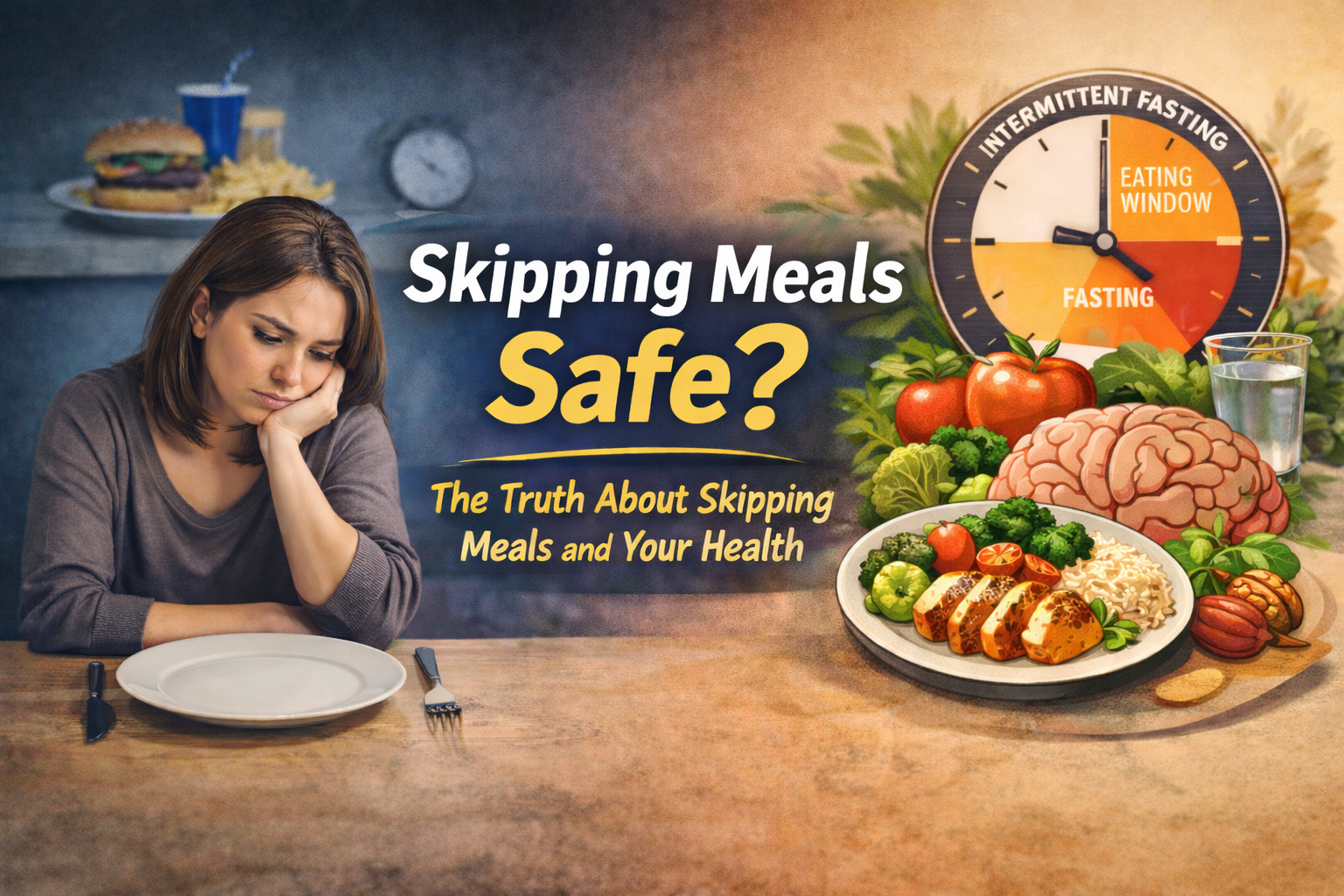
Skipping meals feels like a shortcut to better health.
You eat less, so you expect faster weight loss and improved fitness.
But is Skipping Meals Safe?
That question deserves more attention than it usually gets.
In today’s busy lifestyle, people often skip meals without thinking twice.
Some skip breakfast because they are late.
Some skip lunch because of work pressure.
Others skip meals intentionally to reduce calories.
However, according to experts from World Health Organization, maintaining a consistent and balanced diet is essential for overall health, energy levels, and disease prevention.
Your body is designed to work on rhythm.
When you disturb that rhythm repeatedly,
it begins to respond in ways that are not always visible at first.
So let’s break this down step by step
and truly understand whether Skipping Meals Safe? or not.
What Happens Inside Your Body When You Skip Meals
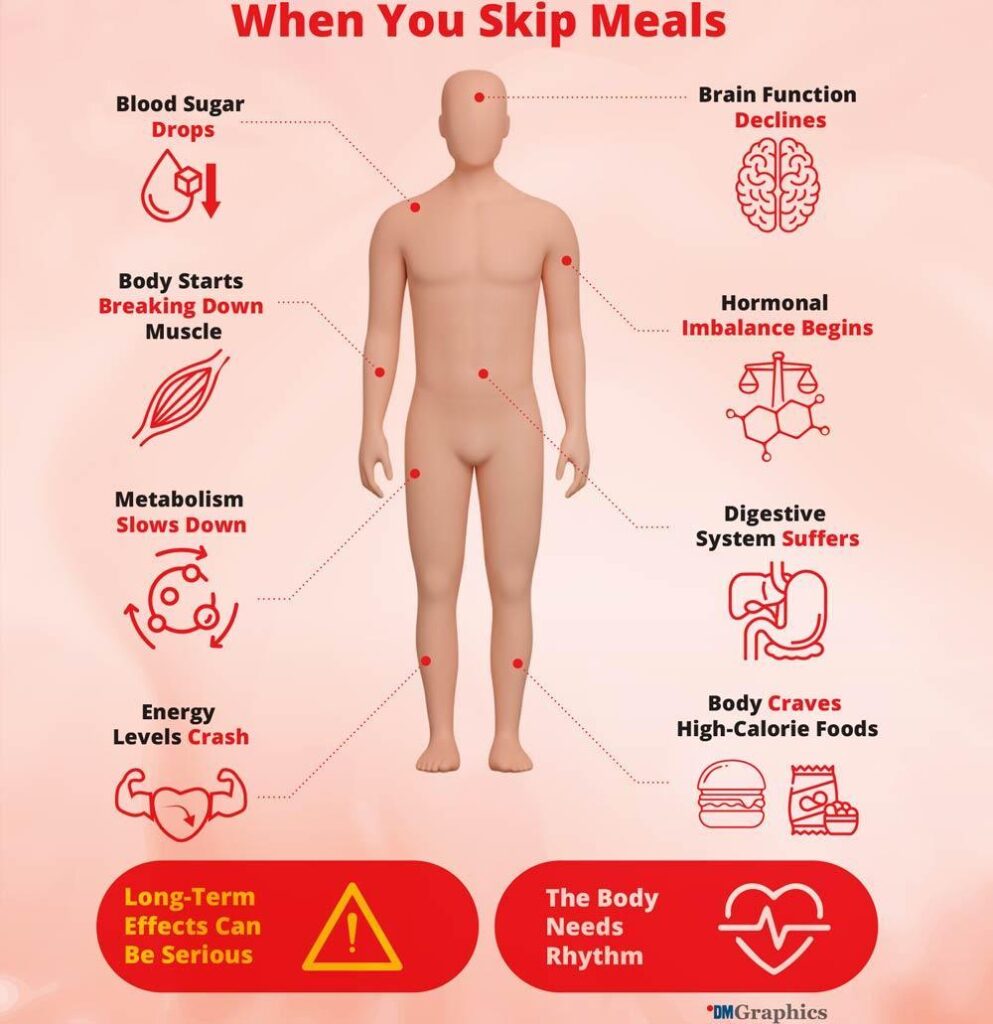
Your body depends on a steady flow of nutrients.
Every organ, every cell, every system relies on food for energy.
When you skip a meal, your blood sugar levels drop.
This leads to fatigue and low energy.
Your brain, which consumes a large portion of your energy,
starts slowing down.
You may feel unfocused and distracted.
According to experts at Harvard Medical School, irregular eating patterns can negatively affect metabolism, brain function, and energy balance.
At the same time, your body enters a protective mode.
It starts conserving energy instead of burning it.
This means fewer calories burned throughout the day.
And over time, a slower metabolism.
This is where the real problem begins.
Skipping Meals Safe? Short-Term Effects You Feel Immediately

Skipping one meal occasionally may not harm you.
But doing it often starts showing effects quickly.
You may feel:
Low energy
Headaches
Irritation
Lack of focus
You may also notice sudden cravings.
Especially for sugary and processed foods.
According to specialists from Mayo Clinic, skipping meals can lead to increased hunger and overeating later in the day.
This creates a cycle.
skip’s a meal.
then you get extremely hungry.
At the end of all before you realize you have overeaten.
And slowly, your eating pattern becomes unbalanced.
So even in the short term, asking Skipping Meals Safe?
starts to raise concerns.
Skipping Meals Safe? Long-Term Health Risks You Cannot Ignore

Now let’s talk about long-term effects.
If skipping meals becomes a habit,
your body starts adapting in unhealthy ways.
First comes nutrient deficiency.
You are not giving your body enough vitamins and minerals.
Then comes muscle loss.
Your body may start breaking down muscle for energy.
Your metabolism slows down significantly.
This makes it harder to lose weight.
According to research shared by National Institutes of Health, inconsistent eating patterns can disrupt metabolic processes and increase the risk of chronic health conditions.
Hormones also get affected.
Your hunger hormones become unstable.
You may feel hungry at odd times.
Or not feel hungry at all when you should.
And surprisingly, long-term meal skipping
can lead to weight gain instead of weight loss.
So clearly, Skipping Meals Safe?
Not when it becomes a routine habit.
Skipping Meals Safe? And Its Effect on Weight Loss Goals
Most people skip meals for one reason.
Weight loss.
It seems logical.
Eat less, lose more.
But your body doesn’t work like a calculator.
When you skip meals,
your hunger builds up throughout the day.
Eventually, you eat more than needed.
And often, you choose high-calorie foods.
According to experts from Cleveland Clinic, skipping meals can slow metabolism and reduce the body’s ability to burn fat efficiently.
Your body also starts storing fat
because it senses food scarcity.
So instead of losing weight,
you may get stuck or even gain weight.
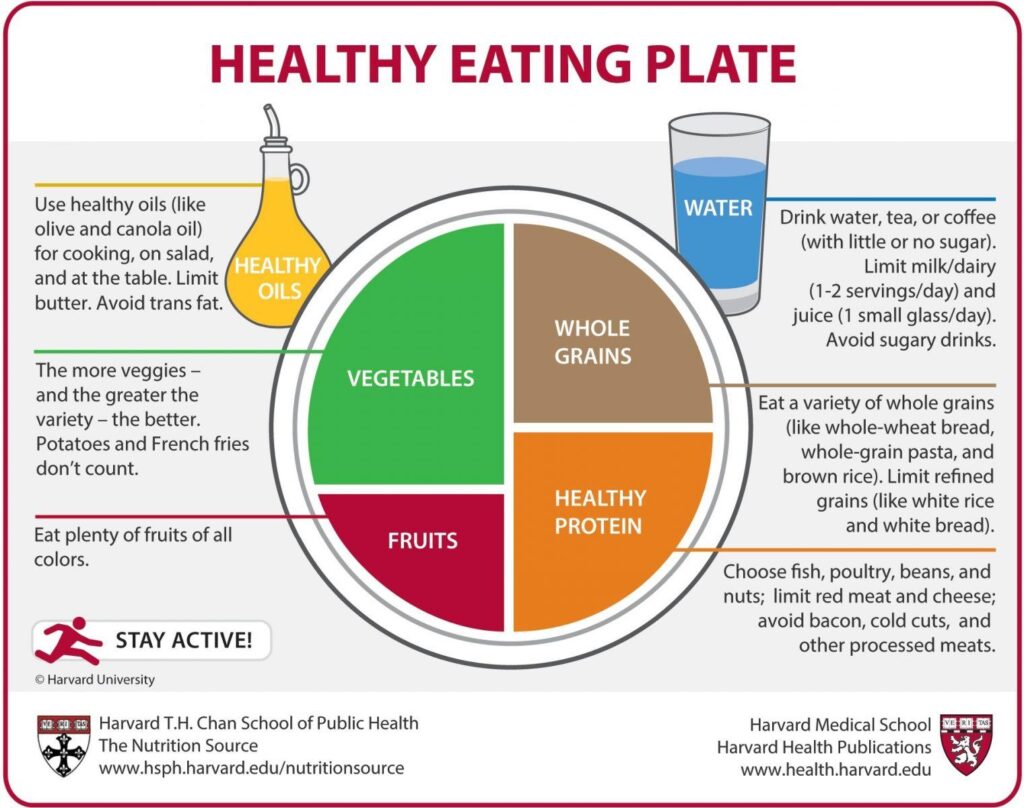
A balanced eating pattern always works better.
Mental and Emotional Impact of Skipping Meals

Food affects your brain more than you think.
When you skip meals,
your mental performance drops.
You may feel irritated without reason.
You may struggle to focus.
Your productivity goes down.
According to insights from American Psychological Association, low blood sugar levels can directly impact mood, memory, and decision-making ability.
Your brain needs a constant supply of energy.
Without it, everything slows down.
That’s why you feel “hangry”.
Hungry and angry at the same time.
So again, Skipping Meals Safe?
Not when it affects your mental clarity.
Who Should Strictly Avoid Skipping Meals
Some people should never skip meals regularly.
Students need constant energy to learn.
Working professionals need focus and stamina.
People with diabetes need stable blood sugar levels.
Pregnant women need consistent nutrition.
According to Centers for Disease Control and Prevention, consistent eating habits are essential for maintaining stable energy and preventing health complications.
Skipping meals in these cases can be harmful.
Skipping Meals Safe? Or Is Intermittent Fasting Different
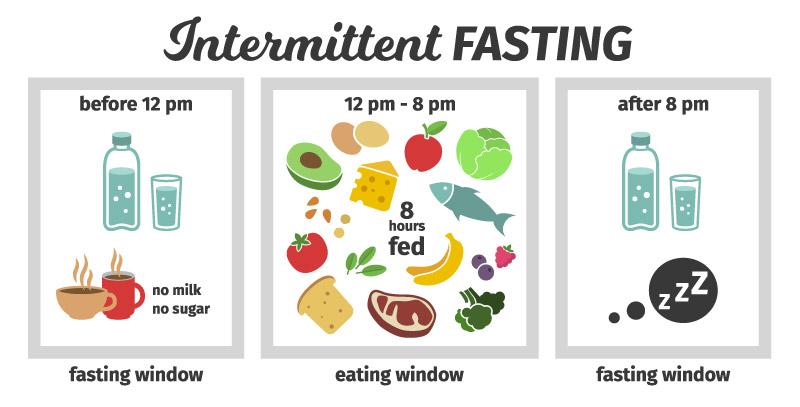
Many people confuse skipping meals with fasting.
But they are different.
Intermittent fasting is structured.
It follows a proper schedule.
Skipping meals is random.
There is no planning involved.
According to Johns Hopkins Medicine, structured fasting may offer benefits when done correctly, but irregular meal skipping does not provide the same results.
This distinction is important.
Better Alternatives Instead of Skipping Meals
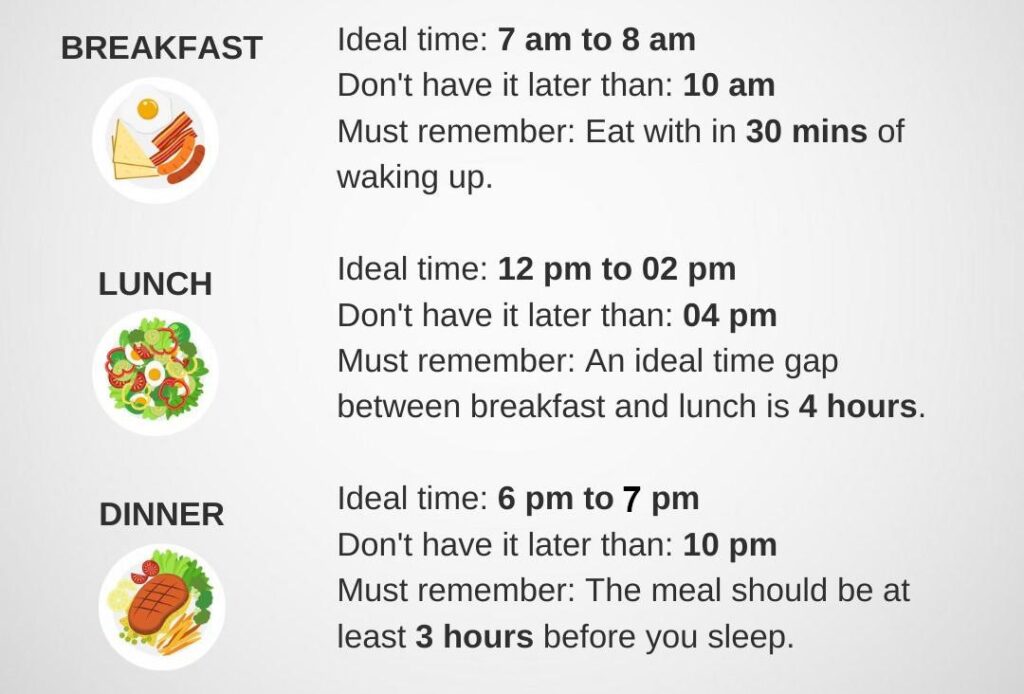
You don’t need extreme habits.
You need smart habits.
Eat smaller meals more frequently.
Choose foods rich in nutrients.
Include protein in your meals.
Drink enough water.
Avoid processed foods.
These small steps create big results over time.
How to Build a Healthy and Sustainable Eating Routine
Start simple.
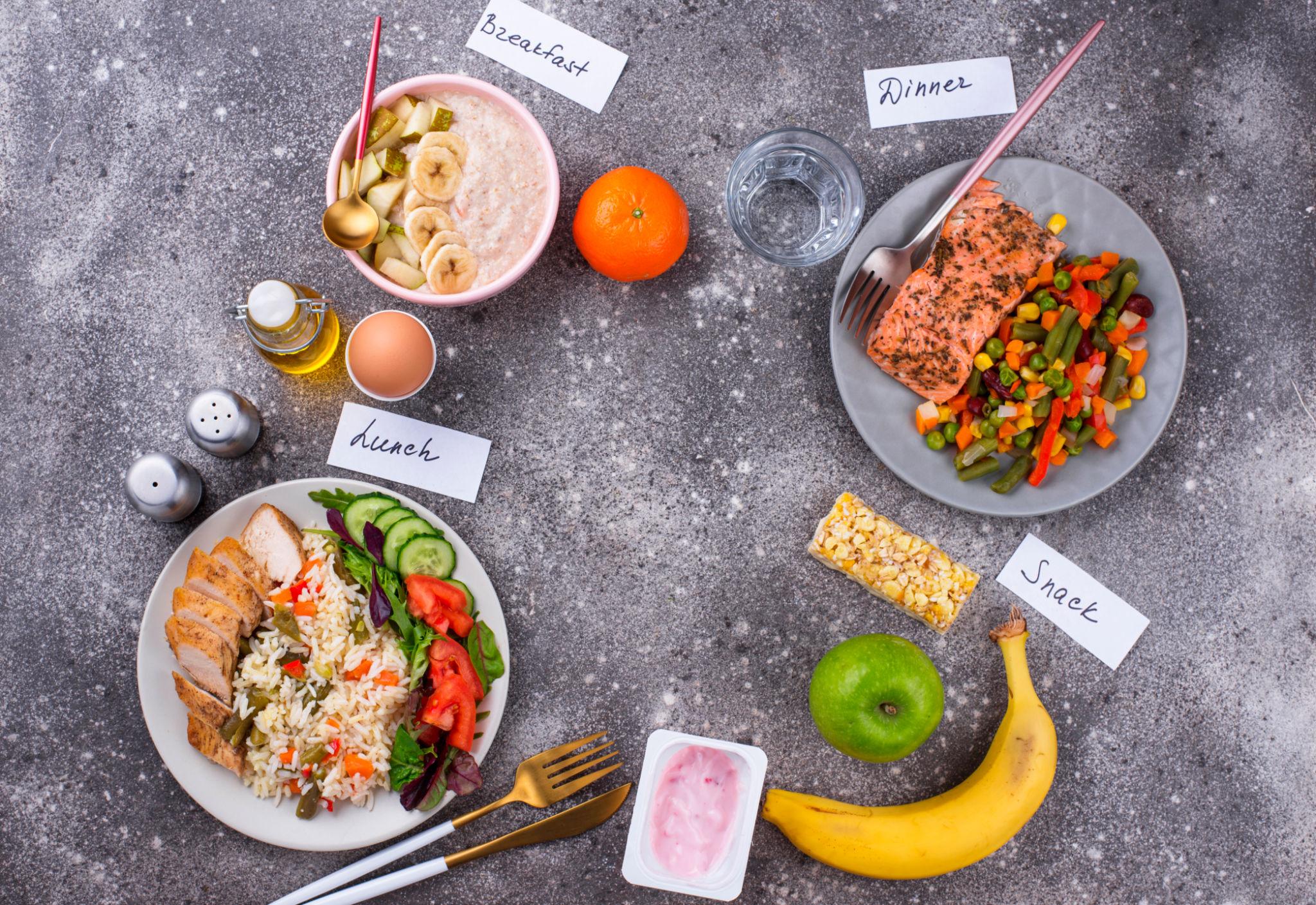
Have a proper breakfast.
Fuel your body at the start of the day.
Eat a balanced lunch.
Keep it light but filling.
Have a controlled dinner.
Avoid overeating at night.
Add healthy snacks if needed.
According to Academy of Nutrition and Dietetics, regular meal timing supports better metabolism and long-term health.
Your body loves consistency.
Common Myths About Skipping Meals
Let’s clear some confusion.
Skipping meals helps detox your body.
False. Your liver already does that.
Skipping meals builds discipline.
Not always. It can lead to unhealthy habits.
Eating less always means losing weight.
Not true. Balance matters more.
According to National Health Service, balanced eating is more effective than restrictive eating patterns.
Final Verdict: Skipping Meals Safe?
Let’s answer it clearly.
Skipping meals occasionally is okay.
Life happens.
But making it a daily habit is not safe.
For starters it makes the metabolism slow.
It affects your mental health.
It disrupts the natural balance of the body.
So next time you think about skipping a meal,
pause for a moment.
Ask yourself again,
Skipping Meals Safe?
And choose what actually supports your body
in the long run.
Want to Live a Healthy Lifestyle. (CLICK IT!!)